

Shutters : privacy, heat control and a smarter finish
If your rooms overheat in summer, feel overlooked from the street, or just look a bit "unfinished", your windows are usually the reason. You don't need a full renovation to fix it, you need the right shutter style, fitted properly, for the way you live or work. In this guide to shutters, we show you how to choose styles, materials, and an installer so you get the result you expect the first time.
Key Takeaways
Choosing the right shutter style, like full-height or café-style, depends on room function and window type to balance privacy and light.
Materials such as MDF or hardwood should be selected based on the room's moisture and sunlight conditions to ensure durability and aesthetic appeal.
Accurate measuring and planning, especially for bays or shaped windows, are crucial to avoid fitting issues and maximise shutter performance.
Shutter costs vary by size, style, material, and fitting complexity, so detailed quotes specifying all aspects help prevent unexpected expenses.
Selecting a local, accredited shutter installer ensures precise measurement, quality fitting, and reliable aftercare tailored to Swindon properties.
Focusing on style, suitable materials for UK weather, and professional installation transforms shutters into a practical, daily-improving home upgrade.
Which Shutter Styles Suit Homes Best?
Street-facing rooms in Swindon often need privacy without turning the place into a cave, and that's where style choice matters. A shutter that looks great in a brochure can feel wrong on a bay window in Old Town or a wide modern opening in Wichelstowe, so it helps to match the style to the room's job.
Full-height shutters
If you want a clean look and consistent control, full-height shutters cover the whole window and suit both period terraces and newer builds. You can tilt the louvres to cut glare on a south-facing front room while still letting light in at the ceiling line. In a home office, that same control can stop screen reflections without you constantly pulling a blind up and down.
Café-style shutters
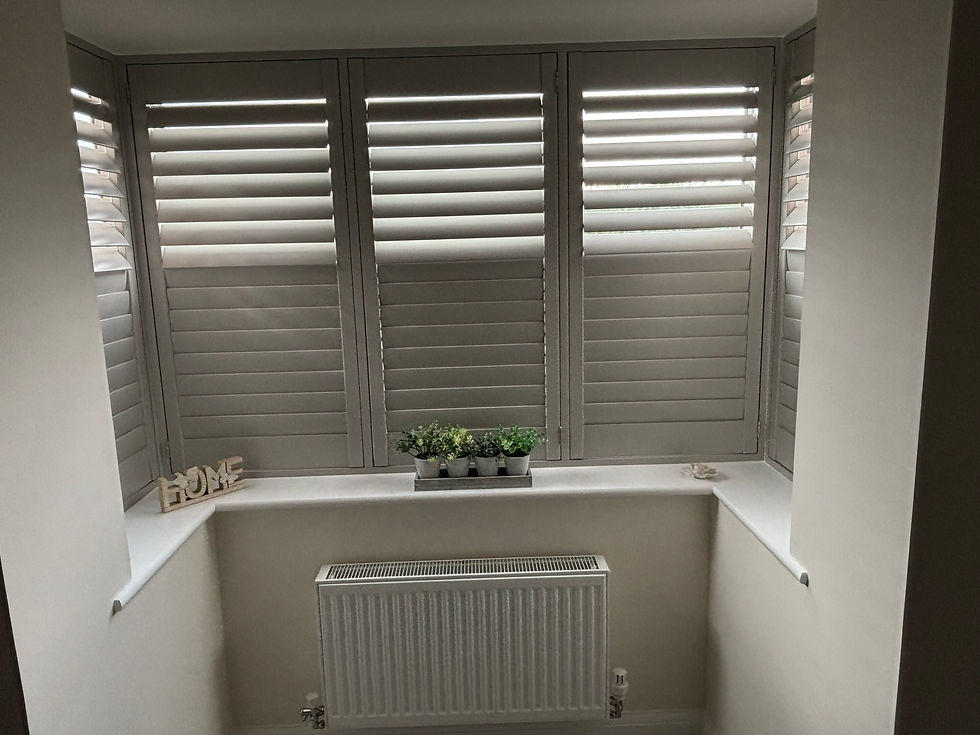
If you deal with pedestrians, school-run traffic, or a close pavement, café-style shutters protect the lower part of the window while keeping the top open for daylight. They're a practical choice for kitchens and ground-floor meeting rooms where you want privacy at eye level but you still want the space to feel open. They also work well when you're trying to keep plants happy on the sill because the top half stays bright.
Tier-on-tier shutters
If you want flexibility in a bedroom or living room, tier-on-tier gives you two independent panels, top and bottom, so you can shut the lower half for privacy and leave the top open for light. It's useful in homes where the view changes through the day, like a front bedroom that gets morning sun but needs privacy in the evening.
Tracked shutters for wide openings
If you have patio doors, bi-folds, or a large commercial frontage, tracked shutters slide rather than swing. That avoids panels colliding with furniture or door handles, and it keeps access clear for day-to-day use. When you're planning this type, you'll want an installer who can talk through stacking positions and traffic flow, not just colours.
Shaped and solid shutters
Awkward shapes, arches, triangles, or gable ends, often need shaped shutters to look intentional rather than like an afterthought. Solid shutters (no louvres) are less common, but they can suit period properties where you want a more traditional feel and stronger room darkening, such as a nursery or a snug.
If you want a quick overview of the common options before you start comparing quotes, the product examples on our made-to-measure shutters page help you see which styles work for windows, doors, and unusual openings.
How To Choose Materials And Finishes For UK Weather And Daily Wear
A shutter can look perfect on day one and then annoy you for years if the material doesn't suit the room. In the UK, the real test is daily wear: condensation on winter mornings, steamy bathrooms, kids' fingerprints, and the kind of sun that fades one side of the room before you notice.
MDF vs hardwood: choose based on the room
For many living rooms and bedrooms, MDF shutters make sense because they're stable, smooth, and consistent in finish. If you manage a small office, you may also like MDF for its neat, uniform look across multiple windows.
Hardwood becomes more attractive when you want the feel of real timber or you're dealing with specific design goals, like matching existing woodwork. If you're considering sustainably sourced hardwoods, ask how the supplier handles stability and sealing, because timber moves slightly with temperature and humidity.
Moisture and heat: bathrooms, kitchens, and sun traps
In a bathroom, you need a material and build that copes with moisture and regular cleaning. In a kitchen, you also need a surface that wipes down easily after cooking without leaving a dull patch.
For south-facing rooms that get hot, ask about the paint system and UV protection. A quality finish usually involves multiple coats and a protective layer designed to reduce fading, which matters if the shutters sit in direct sun for hours. As a simple test, ask to see a sample in the shade and then by the window, some whites and greys shift noticeably in daylight.
Finishes that survive real life
If you have pets, children, or a customer-facing space, your finish choice should prioritise cleanability and scuff resistance. A slightly more forgiving shade (for example, soft white rather than brilliant white) can hide everyday marks better, which reduces maintenance time. And if you're choosing colour, take one practical step: compare it against your wall paint and flooring in natural light, not just under ceiling LEDs.
If you want extra guidance on comfort and running costs, we've covered the practical side of temperature control in boosting energy efficiency with stylish shutters, including why fitted shutters can help you manage heat loss and summer glare.
Bad measuring is where "good value" turns into expensive frustration. Even small errors can cause panels to rub, louvres to catch, or light gaps that defeat the point of paying for shutters in the first place, especially on older Swindon properties where openings aren't perfectly square.
Plan the opening before you touch a tape measure
First, decide how you need the window or door to function. For example, if you open the window wide for ventilation, you'll want to consider where the shutter panels will sit when open and whether a divider rail makes sense. If it's a French door you use daily, you'll need clearance for handles and a plan for how the panels will fold so you're not squeezing past them.
Next, check what surrounds the opening: skirting lines, tiles, radiators, or deep window boards. A radiator right under the sill might influence whether you choose full-height panels that fold back, or a style that gives easier access for heating controls.
Frames, depth, and light gaps
Shutters sit within a frame, and frame choice affects both appearance and performance. If you have limited recess depth, the fitter may need to recommend a frame style that keeps louvres clear of window furniture. If you need the best possible room darkening, discuss how the frame and panel overlap reduces light gaps, especially on streetlights-facing bedrooms.
What Shutters Typically Cost In Swindon (And What Changes The Price)
Price surprises usually happen when you compare online "from" figures to a real made-to-measure quote. In practice, shutters are priced around your exact opening, your chosen style, and how complex the fitting is, so two homes on the same street can pay very different amounts for what looks like the same job.
The main factors that change the price
Size and number of openings: A wide lounge bay costs more than a single small bathroom window because it needs more material, more panels, and more time to fit.
Style choice: Tier-on-tier often costs more than café-style because you're buying extra panels and hinges, and it takes longer to align.
Material and finish: Hardwood and special finishes typically raise the cost versus standard painted MDF, especially when colour matching is involved.
Fitting complexity: Bays, out-of-square recesses, arched windows, and doors with handles and locks increase labour and planning time.
Tracked systems and wide spans: Sliding tracks add hardware and set-up time, which can move the quote.
How to compare quotes fairly
A practical way to compare is to pick one "reference window" (for example, the front lounge bay) and ensure every quote specifies the same style and material for that exact opening. If one quote looks much cheaper, check whether it changes the frame type, uses fewer panels, or excludes tricky areas like doors.
If you want a no-pressure way to price the job properly, we usually recommend booking a measured visit so you can see samples and get a clear written figure. You can start that process through our contact page for shutters and blinds in Swindon.
Finding A Good Local Shutter Installer: Questions To Ask And Red Flags
A shutter is only as good as the install. If panels sag, frames twist, or louvres don't tilt smoothly, you'll feel it every day, so it pays to vet the installer with the same care you'd use for any home improvement.
Questions worth asking (and what good answers sound like)
"Do you measure and fit, or do I measure?" You want a clear measuring service, because made-to-measure only works when measurements are accurate and consistent.
"What accreditation or trade membership do you have?" Look for recognised bodies such as the BBSA and craft memberships that signal standards and accountability.
"Can you show local examples of your own installations?" Photos from real jobs help you judge finish and consistency, especially on bays and doors.
"How do you handle tricky openings?" A competent fitter will explain frames, clearances, and how they'll avoid rubbing on handles or catching on tiles.
"What happens if something needs adjustment?" You want to hear a practical aftercare plan, not vague assurances.
Red flags that usually cost you later
High-pressure discounts that ‘end today': This often pushes you into a decision before you've compared like-for-like specs.
No site visit before quoting: If they price from photos only, they may miss recess depth, out-of-square openings, or obstructions like window alarms.
Unclear product specs: If you can't get a written description of style, material, and finish, you can't compare quotes properly.
No mention of insurance or background checks: If tradespeople will be in your home or premises, you want clear confirmation of cover and professionalism.
Why "local" matters in practice
A local installer can usually offer more convenient appointment times, faster tweaks if a panel needs a minor adjustment, and advice that fits Swindon's mix of property types. If you want to understand who we are and how we work as a family-run team, our background is set out on our story and how the business started.
Conclusion
If you want shutters that genuinely improve privacy, heat control, and the look of your space, focus on three things: the right style for the room, a material and finish that suits UK conditions, and an installer who measures properly and explains the details. Get those right and shutters in Swindon stop being a "nice idea" and start feeling like a practical upgrade you notice every day.
Frequently Asked Questions about Shutters in Swindon
What shutter styles are most suitable for homes in Swindon?
Swindon homes benefit from styles like full-height shutters for complete coverage, café-style for street-facing rooms needing privacy, tier-on-tier for flexible light control, and plantation shutters for a clean, versatile look tailored to the property.
How do I choose the right material for shutters in UK weather?
Choose materials that withstand UK conditions: moisture-resistant and stable MDF for most rooms, or sustainably sourced hardwood for a natural timber feel. Look for finishes with UV protection and multiple paint layers to prevent fading and ensure durability.
Why is professional measuring and fitting important for made-to-measure shutters in Swindon?
Accurate measuring and expert fitting ensure shutters fit perfectly, operate smoothly, and avoid problems like rubbing or light gaps. This is especially key for bays, arched, or irregular openings common in Swindon homes.
What factors influence the cost of shutters in Swindon?
Shutter price depends on window size and number, style choice (e.g., tier-on-tier costs more than café-style), material and finish, complexity of fitting (like bays or arches), and hardware for tracked systems on wide openings.
How can I find a reliable local shutter installer in Swindon?
Look for a family-run, accredited installer offering made-to-measure measuring and fitting, clear written quotes, local customer references, and aftercare support. Avoid high-pressure sales, vague product details, or installers who don’t visit your property first.
Do shutters help with privacy and temperature control in Swindon homes?
Yes, shutters provide excellent privacy while allowing adjustable light control to reduce glare and heat in summer. Properly fitted shutters can improve energy efficiency by reducing heat loss in winter and controlling room temperature year-round.


Comments