

Roller Blinds Swindon: Get Privacy And Light Control Right
- Jun 4
- 7 min read
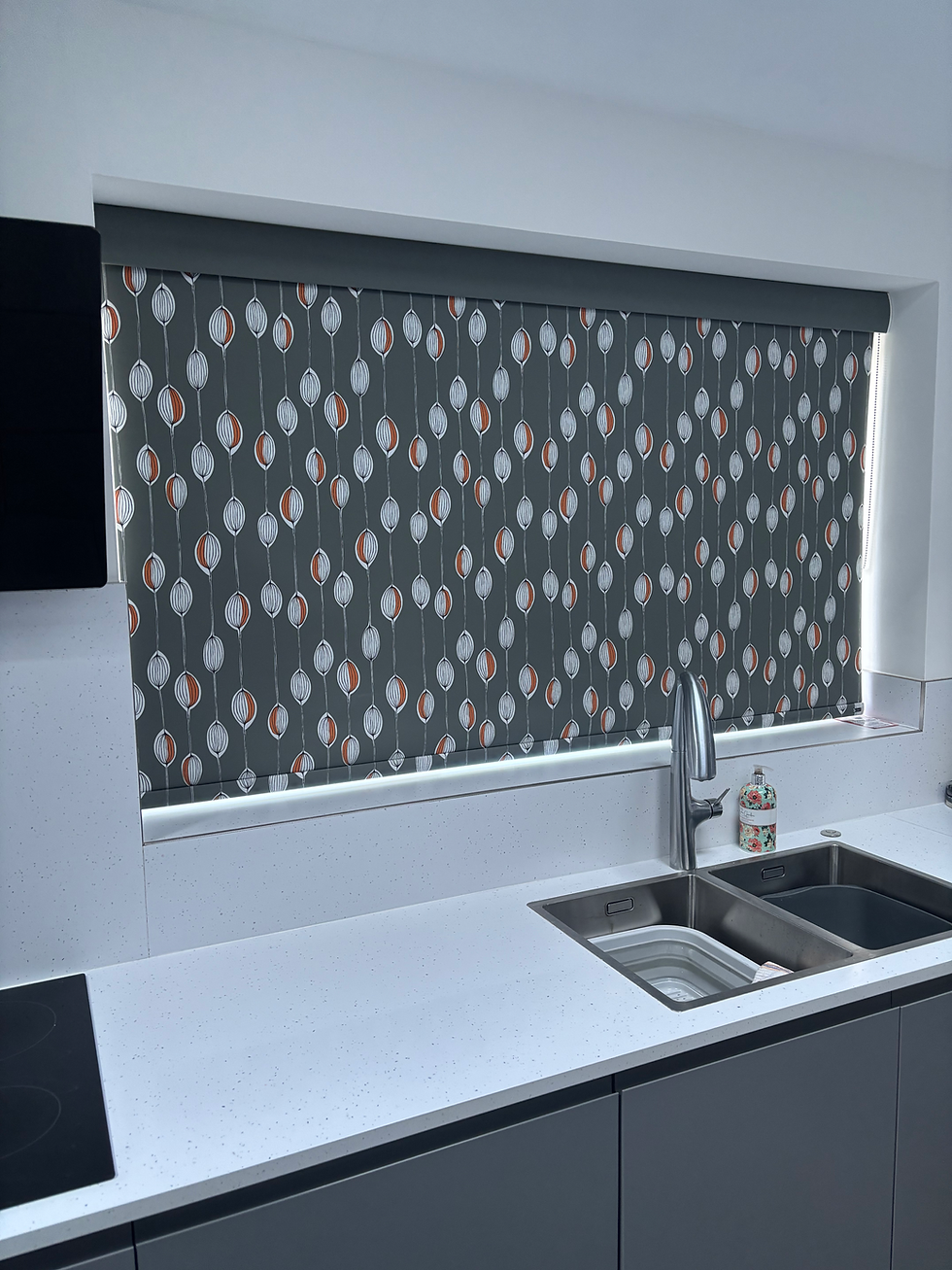
You notice it when the glare hits your screens at 3pm, or when headlights sweep across the office in winter, you can't quite control the light, and it chips away at comfort and focus. If you're weighing up roller blinds options, you don't need more choice: you need the right spec for your windows, your rooms, and your day-to-day routine. We'll walk you through fabrics, measuring, fitting, and pricing so you can buy once and get it right.
Key Takeaways
Choosing the right roller blinds starts with selecting the appropriate fabric type—blockout for bedrooms, screen for glare reduction, thermal for insulation, and moisture-resistant for kitchens or bathrooms.
Accurate measuring, whether inside or outside recess, is crucial for a perfect fit and effective light control; measuring in multiple places and noting obstructions prevents common fitting issues.
Deciding between DIY installation and professional fitting depends on window types and your confidence; professional fitting offers precise measuring and handling of installation challenges.
Roller blinds costs varies based on size, fabric, control mechanisms, and installation complexity.
Choose a local Swindon supplier who offers on-site surveys, clear credentials, proven installation quality, and transparent, pressure-free quotes to ensure reliable service.
Why Roller Blinds Make Sense For Homes And Workplaces
If your meeting room turns into a greenhouse on a bright day, or your front-facing lounge feels a bit too visible after dark, you'll feel the limits of "standard" window coverings quickly. Roller blinds work because they solve the basics, light control, privacy, and a clean finish, without taking over the room.
For homes, roller blinds are often the simplest route to predictable privacy. A daylight fabric can soften the view from the street in places like Old Town terraces, while still letting in usable light for kitchens and living areas. In bedrooms, a blockout roller can make the difference between waking at 5am in June and actually sleeping.
For workplaces, the practical win is glare management. If you run an SME with a few desks near windows, a screen fabric roller blind can reduce reflections on monitors without making the room feel like a cave. That's a small change that can cut eye strain and the "shuffle desks around" routine.
Choosing The Right Fabric: Blockout, Screen, Thermal, And Moisture-Resistant Options
The most common buying mistake is choosing a colour you like and only later realising the fabric doesn't match the room. You can avoid that by picking the fabric type first (what it needs to do), then choosing the finish (what you want it to look like).
Blockout (bedrooms, nurseries, shift workers)
If you've got streetlights outside, early sun in summer, or you work nights, blockout is the straightforward choice. Ask how the blind deals with light bleed at the sides, because even true blockout fabric won't stop the thin slivers of light that come from gaps between the fabric and the wall. In a child's bedroom, for example, fitting outside recess and going a little wider than the frame often makes mornings calmer.
Screen (offices, south-facing rooms, reducing glare)
If you want to cut glare but keep some outward visibility, screen fabrics are designed for that compromise. They're popular in offices because you can still see the weather and movement outside, but the harsh brightness drops. When you're viewing samples, hold the fabric up to the window in daylight, what looks "see-through" under indoor lights can feel much more private once the sun hits it.
Thermal (draughty bay windows, chilly mornings)
If your room feels cold even with the heating on, thermal fabrics can help reduce heat loss at the window. They won't replace proper insulation, but they can take the edge off, especially in older Swindon housing stock where glazing and frames vary. A practical tip: pair thermal fabric with a fit that minimises gaps (often inside recess if the recess is square and deep enough).
Moisture-resistant (kitchens, bathrooms, utility rooms)
If you've ever had a blind warp or go wavy near a sink, you already know why this matters. Moisture-resistant roller fabrics cope better with steam and splashes, which suits bathrooms and kitchen windows above worktops. In a café or small commercial kitchen, this choice can reduce replacement frequency because the fabric stays flatter and cleans more easily.
Measuring Windows Properly In Swindon Properties (Inside Recess Vs Outside Recess)
A few millimetres doesn't sound like much, until your blind rubs, sits crooked, or lets in a bright stripe of light that you notice every single day. Measuring is where most DIY projects go wrong, especially in older properties where walls aren't perfectly square.
Inside recess: the "built-in" look
Choose inside recess if you want a neat finish that sits within the window opening. It works well in modern Swindon homes with consistent plaster lines and deeper recesses.
Outside recess: better coverage and more light control
Choose outside recess if you want more blockout performance, or if the recess is shallow or uneven. Outside recess is also handy for office windows where you want consistent coverage across a run of glazing.
Installation Routes: DIY Vs Professional Fitting And What It Typically Involves
You can buy a roller blind online in minutes, but the cost shows up later if the brackets pull out of plasterboard or the blind sits a few degrees off-level. The right route depends on your risk tolerance, the building, and how much time you can realistically spare.
DIY fitting: when it's a good idea
DIY makes sense if your windows are standard, you've got solid fixing points (timber lintel or suitable masonry), and you're comfortable drilling accurately.
Professional fitting: what you're paying for
Professional fitting usually includes a survey, accurate measuring, product specification, and installation. That matters if you have tricky bays, large spans, or a mix of window types across a premises.
What it typically involves in practice:
A home or site visit with fabric samples so you can compare in your actual light conditions.
Confirming bracket positions that avoid hidden hazards (pipes, wiring) and handle obstructions.
Clean installation with correct fixings and a quick run-through on operation and basic care.
What Roller Blinds Cost And What Changes The Price
If you've ever asked for a blind quote and got a number with no explanation, you'll know the frustration: you can't compare like-for-like, and you don't know what you're actually paying for. Roller blind pricing tends to move for clear, practical reasons.
The main drivers of cost
Size: wider and taller blinds use more fabric and need sturdier tubes and brackets, especially for big patio doors or wide office glazing.
Fabric type: blockout, thermal, moisture-resistant, and specialist weaves usually cost more than basic light-filtering fabrics.
Cassette and finish options: enclosed cassettes and side channels can add cost but also improve the look and reduce light gaps.
Control mechanism: standard chain control is typically the baseline: upgraded systems (including child-safe options and motorised variants) add cost.
Fitting and access: ground-floor windows with clear access are simpler than tall stairwells, awkward bays, or commercial spaces needing specific appointment times.
How to compare quotes without guesswork
A realistic scenario: two quotes can look similar until you notice one includes fitting, a guarantee, and moisture-resistant fabric for a kitchen, while the other assumes DIY, standard fabric, and no aftercare. That's not a bargain: it's a different product.
How To Choose A Roller Blind Supplier Without Getting Burned
When you're busy running a business or juggling a home renovation, the risk isn't just overpaying, it's ending up with blinds that don't fit, don't perform, and become a time drain to fix. You can reduce that risk by choosing a supplier with a clear process and proof that they stand behind the work.
Start with basics you can verify quickly:
Local survey and measuring: you want someone who measures in-person for made-to-measure blinds, especially if your building has quirks.
Clear credentials and insurance: look for trade association membership and proof of public liability cover, because that matters if something goes wrong on-site.
Real installation examples: photos from actual jobs (not stock images) help you judge finish quality on real Swindon windows.
Then pressure-test the buying journey:
Ask how long manufacturing typically takes and what happens if a component arrives damaged.
Check whether the quote is genuinely no-obligation and free from pressure tactics.
If you want background on a local, family-run 's approach and service standards, the company overview on our story and how the business started in Swindon gives useful context before you invite anyone into your home or workplace.
Red Flags To Avoid: Vague Quotes, Limited Guarantees, And Poor Aftercare
A bad blind purchase usually looks fine on day one and becomes irritating by week six, when the fabric starts to track off-centre or the fixings loosen. You can spot the warning signs early if you know what to ask.
Red flags that should make you pause:
Vague quotes: if the quote doesn't state fabric type, fitting position (inside/outside recess), control type, and what's included in installation, you can't compare properly.
Limited or unclear guarantees: if a supplier can't explain what's covered (mechanism, fabric, fitting) and for how long, you may carry the risk.
Weak aftercare: if they can't tell you how they handle snagging, chain issues, or bracket movement, you might be left to troubleshoot.
Frequently Asked Questions About Roller Blinds in Swindon
Why are roller blinds a popular choice for homes and workplaces in Swindon?
Roller blinds provide effective light control, privacy, and a clean finish suitable for Swindon’s homes and offices. They help manage glare, improve comfort, and are available in made-to-measure options tailored to local building styles.
What types of fabrics are best for roller blinds in Swindon properties?
Common fabric options include blockout for bedrooms and nurseries, screen fabrics to reduce office glare while maintaining outward views, thermal fabrics to help with insulation in older homes, and moisture-resistant fabrics ideal for kitchens and bathrooms.
Should I opt for DIY fitting or professional installation of roller blinds in Swindon?
DIY fitting is suitable if your windows are standard and you are comfortable with accurate measuring and drilling. Professional fitting is recommended for tricky bays, large or mixed windows, or if you want precise measuring, surveys, and guaranteed installation.
What factors affect the cost of roller blinds in Swindon?
Price depends on size, fabric type (blockout, thermal, moisture-resistant), control mechanisms, fitting complexity, and whether installation is included.
How can I choose a reliable roller blind supplier in Swindon?
Look for a family-run local supplier with made-to-measure service, clear credentials like British Blinds & Shutters Association accreditation, free no-obligation quotes, real installation photos, and positive customer reviews to avoid poor fit or service.


Comments